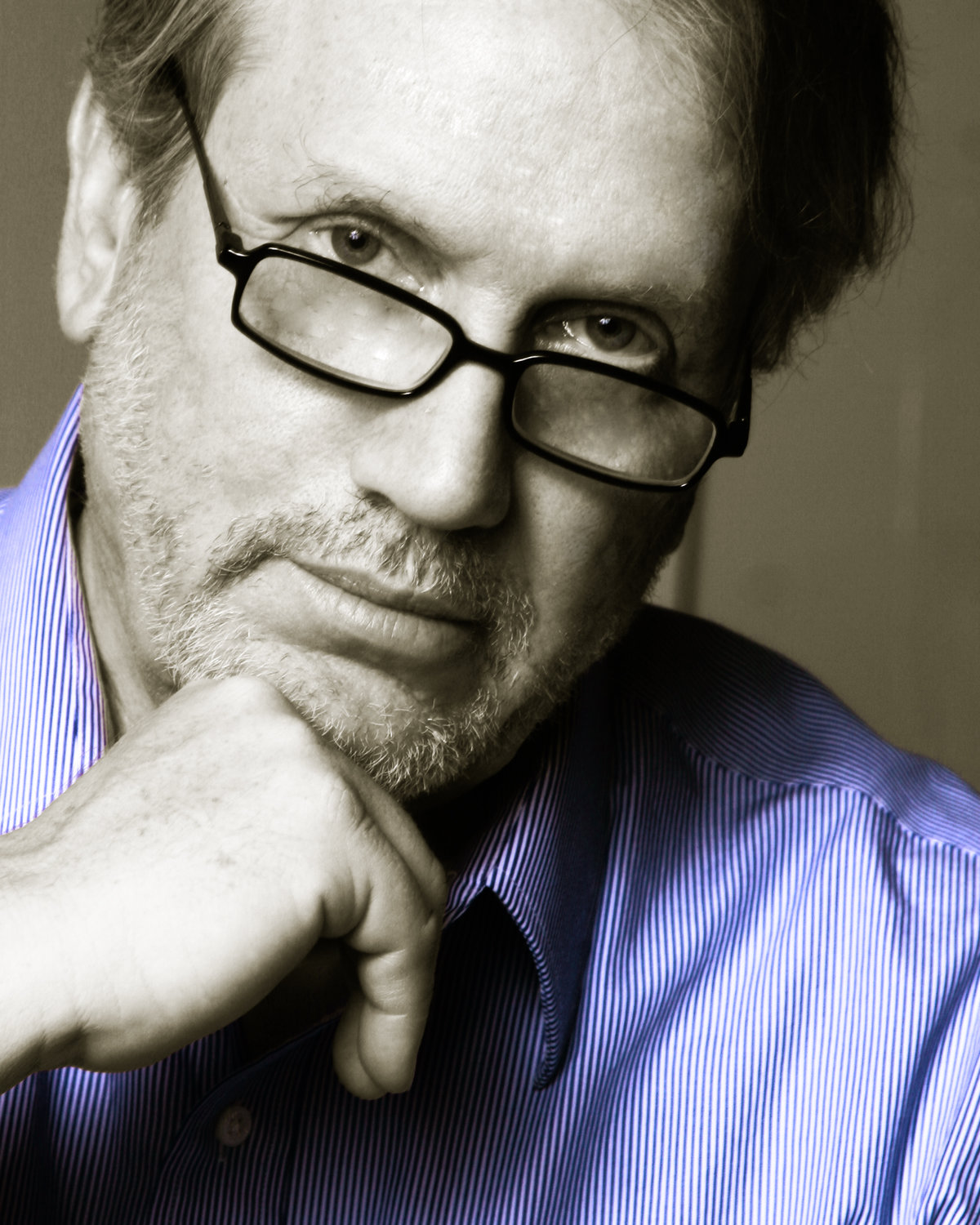
INDIANAPOLIS — It was less than a month after I began publishing Howey Politics that I heard the most extraordinary, soul-baring speech of my career. It was August 1994 and the Republican tidal wave that would return the Grand Old Party to congressional power was forming.
And here was U.S. Rep. Lee Hamilton addressing the Indiana Democratic Editorial Association’s annual confab at French Lick. It wasn’t so much an informative or persuasive address, but it was demonstrative. Hamilton, at 6-foot-5 towering over the room, repeatedly sighed as he warned his fellow Democrats that a crisis was at hand.
“When I address my constituents, it’s as if a curtain has been drawn separating me from them,” Hamilton said. He talked of how Washington political consultants were damaging the party.
And he was right to be worried. In 1992, he pounded Republican Michael Bailey with 71.2% of the vote. But two years later, he was locked in a tight wave election race with Republican state Sen. Jean Leising.
On election night, early returns had Hamilton staring down defeat, though late totals from the Louisville suburbs ended up saving him. He ended up topping Leising 52% to 48%.
Lee Hamilton, who entered Congress in 1965 in time to help pass President Lyndon B. Johnson’s landmark Great Society legislation that created Medicare, Medicaid while forging the Voting Rights Act that dismantled legal segregation. He retired 34 years later and passed away on Wednesday at age 94. After he returned to Indiana to forge Indiana University’s Center on Congress, he wrote two columns monthly, many of them appearing in Howey Politics.
In his final column written a week before he died, Hamilton wrote about “friendship,” saying, “Why? Because no step is more important right now than re-establishing Congress’s ability to assert itself as a robust and effective branch of government that can weigh in on — and even shape — policy both domestic and foreign. And I’m convinced that unless individual members of Congress can build relationships with one another that transcend both party and the maneuvering for advantage that frequently marks relationships on Capitol Hill, that will be a lost cause.”
Hamilton is considered a giant statesman in Hoosier political pantheon because he was a Democrat representing Indiana’s sprawling culturally conservative 9th Congressional District.
After “retiring” from Congress in 1999, Hamilton’s expertise was repurposed several times. Following the Sept. 11, 2001 terror attacks on New York and Washington, President George W. Bush appointed him as vice chair of the 9/11 Commission.
In the subsequent 567 report issued in 2004, it was scathing of failures of the FBI, CIA, Pentagon and National Security Council. “A critical theme that emerged throughout our inquiry was the difficulty of answering the question: Who is in charge?” Hamilton said. “Who oversees the massive integration and unity of effort necessary to keep America safe? Too often, the answer is no one.”
Subsequent legislation signed by President Bush created the Director of National Intelligence office as well as the Department of Homeland Security.
In 2006, Hamilton also published “The Iraq Study Group Report: The Way Forward” following the disastrous 2003 U.S. invasion of Iraq that produced an insurgency that took more than 5,000 American lives.
What were Hamilton’s final columns telling us?
On Nov. 26, 2025, he attempted to goad Congress to reassert its constitutional authority. “I believe Congress has grown listless in the face of presidential authority — and not just when it comes to President Trump. They need to rebuild a sort of muscle memory for persuasion, negotiation, principled disagreement, and compromise,” he said.
Last Oct. 8, Hamilton lamented a lack of congressional town halls held in districts across the nation.
“That’s because there was considerable unrest back home about the course of events in Washington, and most news coverage repeatedly dwelt on unruly, fractious crowds and heated exchanges between audience members and their representatives,” he wrote. “Those who sidestepped them, whether out of concern for their image or on the advice of their leadership, should be abashed.”
And Hamilton added the “here’s why,” writing, “For starters, most people never get a chance to set foot in the Capitol or speak to a member of Congress. A town hall erases that distance. They make the people who attend them more likely to keep paying attention and to remain engaged.”
On Sept. 24, he argued that Congress had lost its co-equal branch status in federal power.
“We’re not even a quarter of the way through the second Trump administration, and the list of assaults on Congress’s prerogatives seems to grow every day,” he wrote. “The White House is trying to claw back money Congress appropriated; it launched a military assault outside U.S. territorial waters without even notifying members; it is trying to cancel $5 billion in foreign aid approved by Congress; it’s pursued an economy-altering regime of tariffs — which the Constitution explicitly places in Congress’s domain.”
What should be our final lesson gleaned from this great man from Evansville?
Before placing the Presidential Medal of Freedom around his neck in 2015, President Barack Obama recalled an old Hamilton quote:
“At its best representative democracy gives us a system where all of us have a voice in the process and a stake in the product.”
Brian Howey is an opinion columnist for State Affairs Indiana and the founder of Howey Politics Indiana. His writing offers analysis and opinion shaped by decades of experience covering Indiana politics. Email him at howey@stateaffairs.com.