INDIANAPOLIS — Six times in the past 30 years, Hoosier Republican convention delegates have roiled the best-laid plans, rebuking presidents, governors and powerful county chairs.
Next week in Fort Wayne, Republicans will choose a secretary of state nominee amid a civil war that cost six state senators their seats in the May 5 primaries. The aftermath of President Donald J. Trump’s retribution for the Indiana Senate’s rejection of new congressional maps is still reverberating.
The emerging kingmaker is freshman U.S. Sen. Jim Banks, who is daring to cross into territory that has chastened some of the most powerful Republicans in the land. Delegates have repeatedly revealed an independent streak, often rejecting the wishes of powerful leaders.
In 2024, a majority of delegates ignored President Trump’s endorsement of Mike Braun’s lieutenant governor choice and nominated Micah Beckwith. In 2022, despite Gov. Eric Holcomb’s 70% approval rating they voted down his choice, Secretary of State Holli Sullivan, for Diego Morales. In 2008 delegates chose Greg Zoeller over Gov. Mitch Daniels endorsed attorney general candidate, Valparaiso Mayor Jon Costas. In 1996 Marion County delegates defied Chairman John Sweezy and chose Bluffton publisher George Witwer over Sue Anne Gilroy.
This was supposed to be a coronation of incumbent Secretary of State Morales, who initially was expected to fend off Knox County Clerk David Shelton and perennial candidate Jamie Reitenour. But in mid-May, facing the prospect of Beau Bayh and a building Democratic wave, Banks, Attorney General Todd Rokita and Treasurer Daniel Elliott withdrew their endorsements of Morales.
Max Engling, an obscure Banks staffer who had spent much of the past decade as a Capitol Hill operative before mounting an unsuccessful congressional bid in 2024, emerged as Banks’ choice.
Rokita was more circumspect, breaking from Morales but not endorsing Engling, perhaps not wanting to launch another Statehouse power center.
Though Morales has been bloodied, his path to renomination remains. A “very narrow path,” as Vigo County Chair Randy Gentry put it.
Gentry said that although Morales has been bludgeoned by bad press over corruption, nepotism and a lack of transparency, “I would tell you the man is Teflon. Nothing sticks to him. As I travel the state, the same level of knowledge doesn’t transfer to the corners. The county chairs have established loyalty. If you called somebody a friend, and others are bashing him, their reaction is likely, ‘He’s my friend.’”
“If Diego wins, it will be on the first vote,” Gentry said. “If Diego is going down, he doesn’t get 50%.”
Several insiders, including former Howard County Chair Craig Dunn and Evansville attorney Joshua Claybourn, predict an Engling victory on the second ballot.
But that is where things get complicated for Banks and Engling. Keeping delegates in the hall after the first ballot will be difficult, particularly with the convention in Fort Wayne, which increases travel time home for many delegates. Dunn noted that by the third ballot in the 2014 treasurer race in Fort Wayne, some 800 to 900 delegates had left.
When Rokita won a four-way race for secretary of state nomination in 2002 on the third ballot. As Rokita stood out in the hallway watching delegates streaming out after the first ballot, he wondered about the loyalty of his own supporters. “How much did they believe?” asked Rokita.
Political groups in Washington, D.C., have been sending texts to delegates denouncing Morales and Shelton.
“PACs are launching anti-Shelton texts,” Gentry said. “They believe they can dictate. But people are turned off by that kind of negativity. People are fed up. Conventions are very different from a primary.”
The Senate primary fights saw $15 million in negativity aimed at conservative senators such as Jim Buck, Travis Holdman, Linda Rogers and Dan Dernulc. Primary voters tagged them with landslide-scale losses. Those tactics could backfire on a convention floor.
Claybourn, who has long ties to Banks, said, “It’s hard for me to see how Max doesn’t ultimately win. Delegates want a winner, and Diego isn’t that. Delegates also tend to be more MAGA-like, and they will follow Banks’ signal. Perhaps it takes Max two ballots, but I would certainly bet on him to ultimately prevail.”
A key person to watch is Hamilton County Chair Mario Massillamany. Although he is not overtly backing Morales, he sent me a text from a PAC declaring, “Diego Morales: Dangerously unfit for office.”
“No disclaimer,” Massillamany wrote. “Desperate.”
While Morales’, Engling’s and Shelton’s careers are on the line, Banks is spending plenty of political capital. In modern times, no Indiana U.S. senator has positioned himself as a convention kingmaker the way Banks has.
Gentry likened the emerging scenario to when a “horror book becomes a comedy.”
“It’s definitely unique,” he said. “I’ve never seen anybody go to a convention and dictate what we’re supposed to do. We’re in uncharted waters. It’s hard to decipher anything. History will tell if this is a wise political move. I don’t know the long-lasting effects of a divisive convention following a divisive primary. Is this a new age or a flash in the pan?”
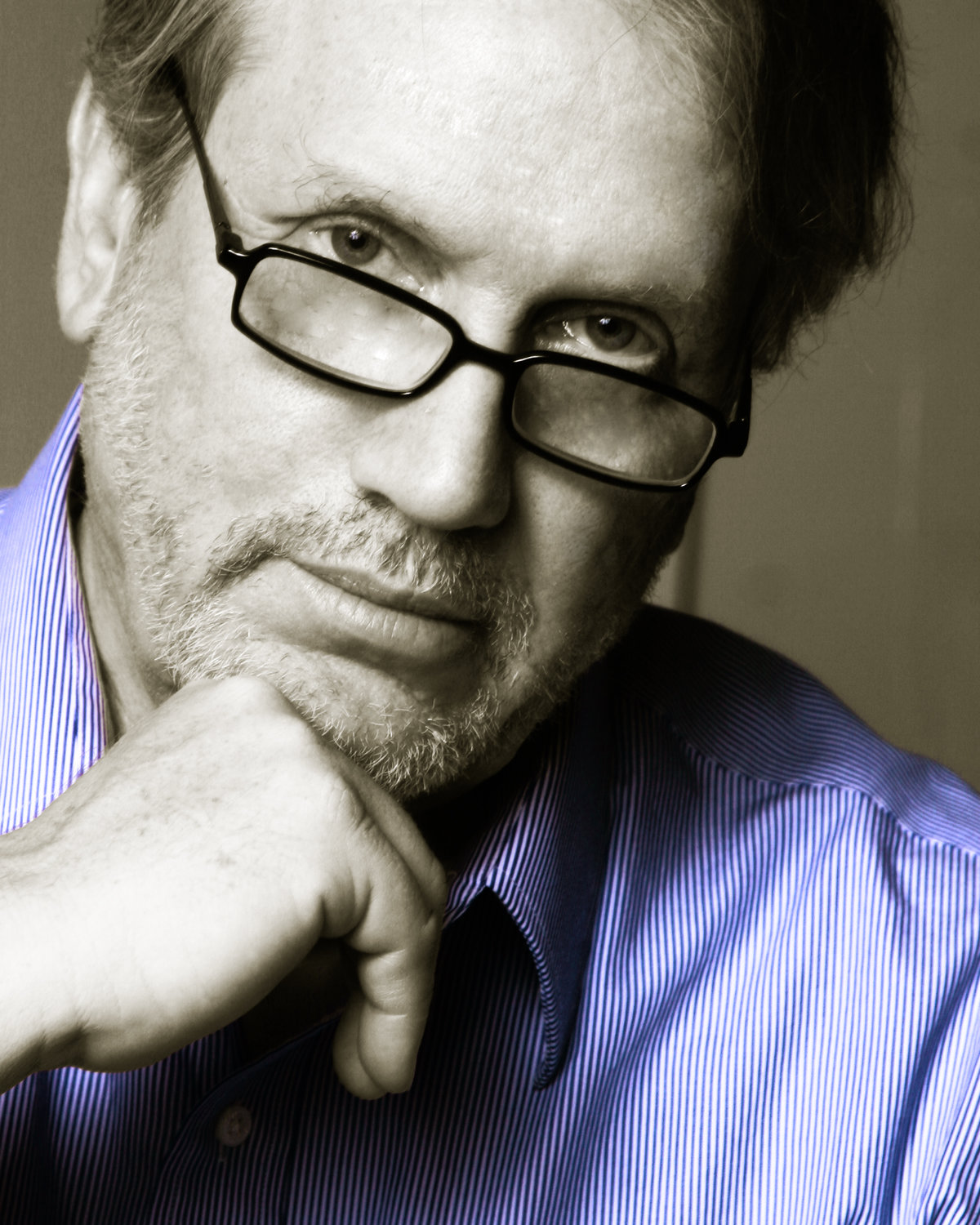
Brian A. Howey is an opinion columnist for State Affairs Indiana and the founder of Howey Politics Indiana. His writing offers analysis and opinion shaped by decades of experience covering Indiana politics. Email him at howey@stateaffairs.com.