Angry at myself because I could not balance our checkbook soon after we were married, I put the checkbook in front of my wife and asked her to balance it. She has handled our finances since that day. The decision seventy years ago was wise. Her careful attention to our expenditures enabled us to raise three children and have a comfortable life on one paycheck and enjoy a long comfortable retirement. Observing her work provides insights about how to manage family finances.
Headlines in news media regularly ask questions like: How much will you need to retire? What are your savings in relation to other people your age? How much will retirement cost in the state where you live?
Wrong questions generally receive useless answers. A better question is this: What actions can you consider now to shape financial security? Before I try to answer, ponder three basic considerations.
First, from an old Shaker song: “Tis a gift to be simple; tis a gift to be free.” Extravagance is not the path to individual or family financial security. A simple lifestyle might sound dull, but for most of us it is the basis of security. Many people are slaves to extravagant expectations and debt, and they are never free.
Second, from a book title, “You Make a Living by What You Get; You Make a Life by What You Give,” written by a Wabash alumnus, Richard Gunderman, MD, PhD, Chancellor’s Professor of Radiology, Pediatrics, Medical Education, Philosophy, Liberal Arts, Philanthropy, and Medical Humanities and Health Studies at Indiana University. The first half of the title states the necessity each individual faces of getting enough to support basic health and welfare. Some of our neighbors work like dogs just to get by. The second half urges happiness through helping others.
Third, effective and appropriate actions must be tailored for each individual‘s and family’s circumstance. Family units are so diverse now with single-parent households, pressures for two incomes to earn what is considered economic success, peer pressure on women to have “meaningful work,” hectic schedules and expenses to support children’s activities.
Consider these suggestions for what they are worth.
Distinguish between needs and wants. Wants are often extravagant. Make sure you can pay for what you need to live and don’t splurge on unneeded wants and luxuries.
Start an emergency fund as soon as you can. Start by saving a dollar if that is all you have. Dollars saved are dollars earned. Invested wisely they build nest egg for emergencies.
Don’t self-diagnose or self-prescribe illnesses. Let the body heal and take a minimum of over-the-counter medicines. Purchase pharmaceuticals that personal physicians prescribe.
Avoid addictions to alcohol, tobacco, gambling, and drugs. Practical reason: addictions waste money. We are teetotalers, which has saved us tens of thousands of dollars. We enjoy dinners and parties where friends drink responsibly. We prefer to stay clear-headed. We don’t judge others. Moral reason: addictions ruin a person’s health and well-being. They harm families. Many rapes, accidents, and deaths are associated with drunkenness and drug use — read Indianapolis newspapers.
Take advantage of special sales and discounts for food and gas. Smart customers take advantage of discounts and coupons, and they compare size, weight, and cost of similar items.
Check out items at Goodwill, other thrift stores, and consignment stores. A friend purchased all her clothing at those shops and looked very distinguished and appropriately dressed on every occasion.
Don’t try to purchase prestige or popularity by incurring debt. Credit cards are often necessary and can be useful, but only if you pay off the balance every month so you never pay high interest rates. High school and college parking lots filled with gleaming trucks and cars reveal enslaving status symbols.
Don’t become indebted except for items that will maintain or increase their value, like carefully chosen modest family homes.
Get serious about securing your financial future!
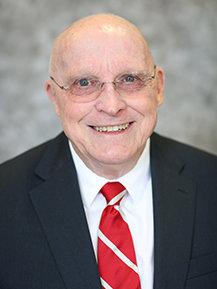
Raymond Brady Williams, Crawfordsville, LaFollette Distinguished Professor in the Humanities emeritus, contributed this guest column.