Two old soldiers agreed that ‘Hell punishes the sinner; war punishes everyone.’
Some people believe in an eternal Hell where the devil and his demons punish delight in punishing each sinner. Artists have portrayed in vivid imagery the torture and agony of the sinner. Others believe that all evil and pain will be overcome when former things have passed away.
The two old soldiers were correct even for the short run. Sinners are punished because they harm themselves by failing to be their best. Others also suffer because their families, neighbors, and communities suffer from their wrongdoing. War does punish everyone.
This column is not an attempt to explain just war theory or to proclaim a moral judgment about current or past wars. We all are imperfect, and the governments and institutions we create and empower are imperfect. Therefore, no perfect moral judgments are available to us. We make imperfect judgments between good and less good choices.
Does support for Jewish wars come from xenophobic antisemitism and from harsh treatment of Muslims? Yes! Does support for the Iran war come from religious zealots who chant ‘Death to the Great Satan and rain down destruction on Israel and their neighbors and from religious nationalism and stereotypical condemnation of all Muslims? Yes!
We who live in Mongomery County are far removed from the scenes of battle, and no one from our county has died in current wars. Nevertheless, scenes of the war in the media bombard us — bombed out buildings, women and children weeping, bodies laid out for burial, caskets of our soldiers. We suffer in confusion and pain.
We have lost trust in information from the media. Leaders lie, pictures are altered or fabricated in ways that mirror propaganda. ‘All’s fair in war’ and in negotiations, and leaders espouse positions that are meant to confuse rather without honest or truth. Organizations control messaging to support the preferences of their targeted audience. How do we know what is true or false? We can trust neither our ears nor our eyes. Talking heads use words ‘perhaps’ and ‘might be’ rather than ‘is’ and ‘will be.’ ‘To the victor belongs the spoils’ is old wisdom, but current asymmetric wars are unlikely to have victors, and we don’t even know what peace might look like. We know that everyone is suffering and the suffering will last long after someone proclaims peace is achieved.
We in Montgomery County are blessed by living far from direct effects of current wars and from the death and destruction we view on media. Nonetheless, we are affected. We live with ambiguity of feelings of pride in our military power, and shame that we are implicated in the destruction and suffering.
We go to local stores to purchase items that have increased significantly in price. Those of us who can afford the higher costs realize that some of our neighbors cannot. Who would have thought that the shortage and high cost of fertilizer would damage farming in Montgomery County? Many more visible and invisible damages appear regularly.
We seem powerless to make national and international changes. Nevertheless, we can act locally in ways that will preserve the peace and security we enjoy and that enhance the wellbeing of our neighbors
We can support people and institutions that work to maintain peaceful relations in our community and withhold support from those that spawn division, anger, and conflict.
We can avoid dwelling on negatives of guilt, anxiety, and despair. We need to live courageously with the messy imperfection in other and in ourselves. The positive action is to help any locally who are suffering negative effects.
We can grasp tightly to hope that the children in our midst will live in more peaceful contexts than the current ones. Some of us will hold on to that hope in fervent prayer.
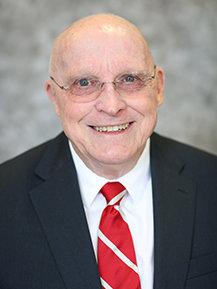
Raymond Brady Williams, Crawfordsville, LaFollette Distinguished Professor in the Humanities emeritus, contributed this guest column.